
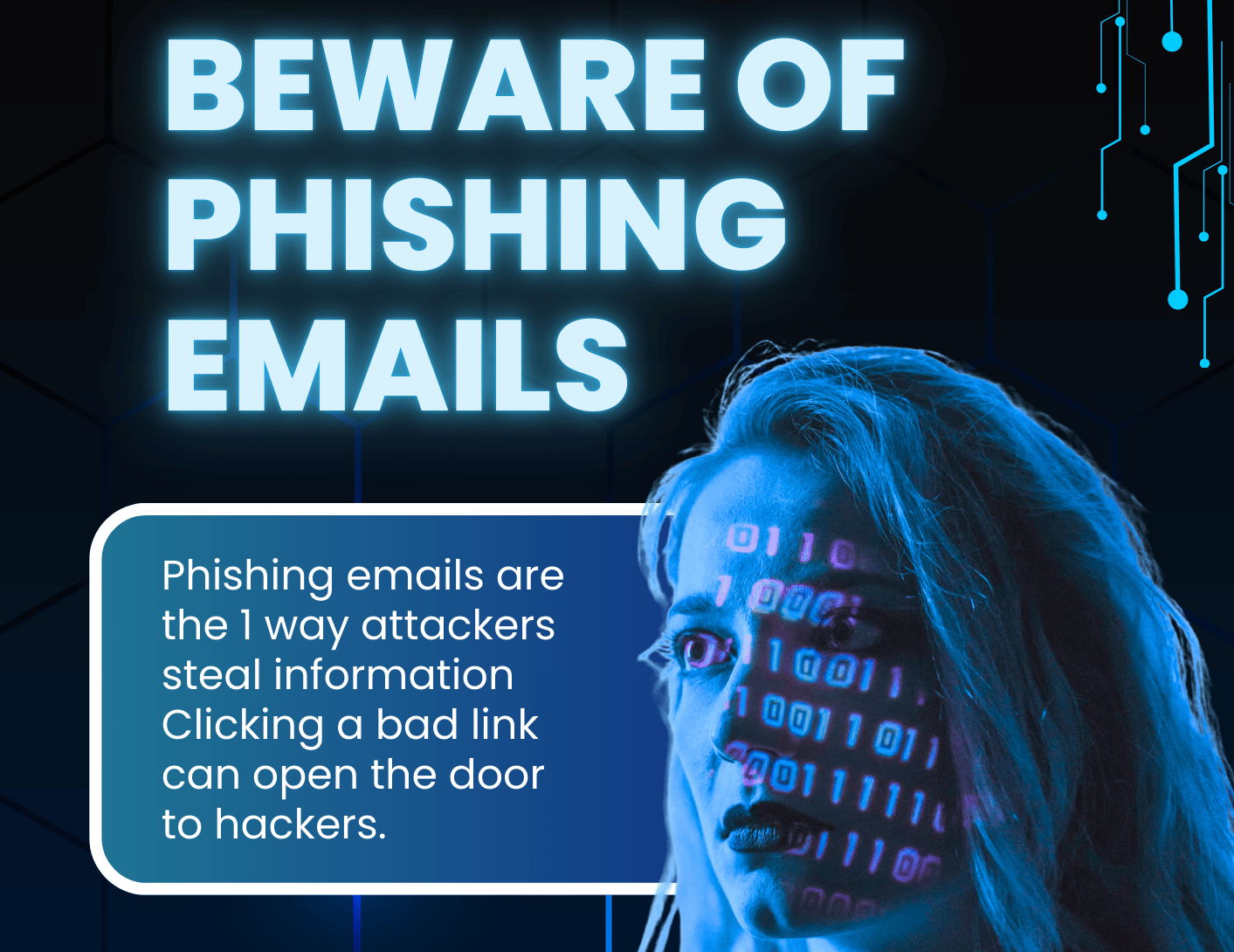
Business Email Compromise (BEC): How Organizations Can Prevent Invoice Fraud
What Is Business Email Compromise (BEC)?
Business Email Compromise (BEC) is a type of scam where attackers impersonate a trusted person—often a CEO, finance manager,
vendor, or HR contact—to trick an organization into sending money or sensitive information. Unlike many cyberattacks, BEC often
relies more on social engineering than malware.
How Do BEC Scams Work?
Most BEC incidents start with an attacker gaining insight into how a company communicates and approves payments. Common tactics include:
- Impersonation emails that look like they come from an executive or supplier
- Fake invoice changes, such as “Please use our new bank account details”
- Look-alike domains (e.g., a subtle misspelling in an email address)
- Compromised mailboxes where attackers monitor messages and reply at the perfect moment
Attackers often wait for real payment conversations and then insert themselves with urgent, convincing instructions.
Impact on Businesses
BEC can cause immediate financial loss and longer-term damage, including:
- Misrouted wire transfers or irreversible payments
- Vendor relationship breakdowns and contract disputes
- Exposure of confidential data (employee records, customer info, payroll details)
- Legal and compliance consequences, especially if regulated data is involved
- Reputational harm when partners learn invoices were manipulated
Prevention Strategies for Organizations
- Enforce multi-factor authentication (MFA) for all email and finance systems.
- Use payment verification rules: any change to banking details must be confirmed via a separate channel (phone call to a known number, not one provided in the email).
- Add two-person approval for high-risk transactions, especially same-day or urgent requests.
- Deploy email protections (spam/phishing filtering) and enable domain protections (SPF/DKIM/DMARC).
- Train staff to spot urgency cues, unusual tone, and changes in payment workflows.
- Restrict publicly shared org details that help attackers craft convincing impersonations (org charts, finance contacts, invoice templates).
What to Do If You Suspect a BEC Attempt
- Pause the transaction immediately—do not send money “just to be safe.”
- Verify the request out-of-band (call the person or vendor using a trusted contact method).
- Report internally to IT/security and finance leadership so they can check for mailbox compromise.
- Preserve the email (use your organization’s reporting process if available).
- If money was sent, contact your bank right away—speed matters for potential recovery.
Why Verification Beats Trust
BEC succeeds when organizations rely on trust and speed instead of verification. Simple controls—like “no bank detail changes without a phone confirmation”—
can stop many invoice fraud attempts because they break the attacker’s main advantage: convincing email-based urgency.
Staying Ahead of Evolving Scams
Attackers constantly refine their messages and timing. Review payment workflows regularly, run short internal simulations (non-punitive), and update policies
as teams change. The goal is a culture where it’s normal to double-check financial requests—especially when they are urgent, unusual, or high-value.