
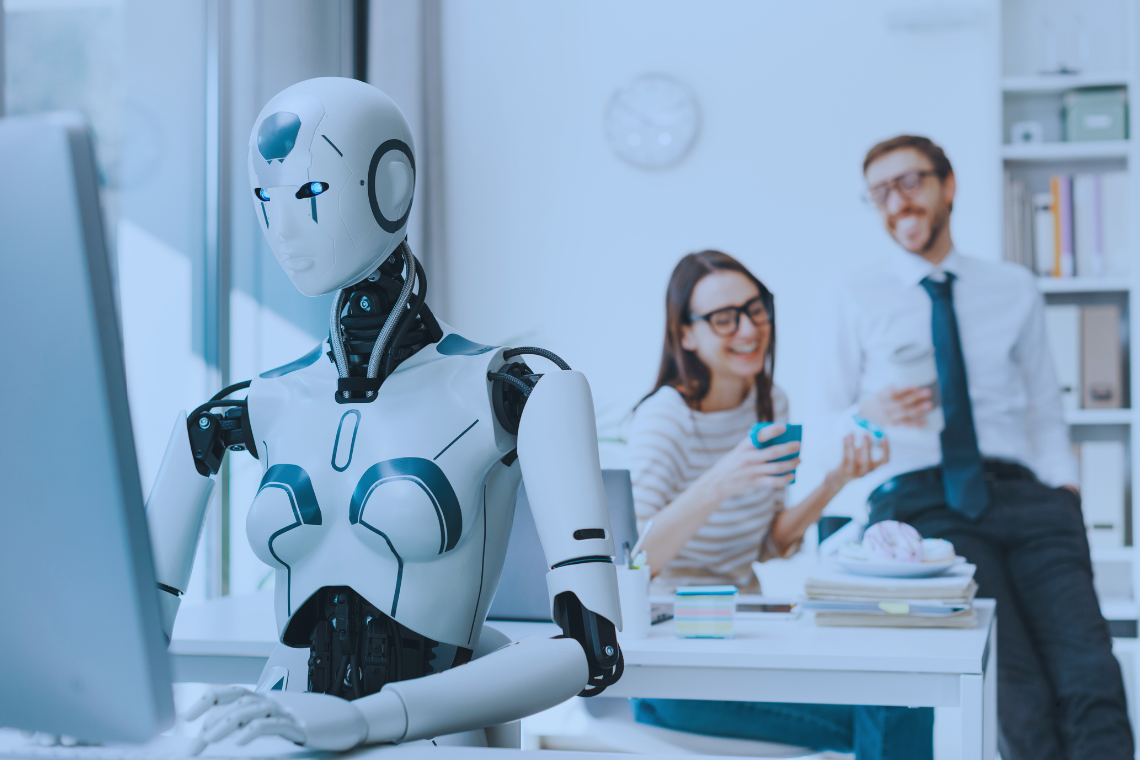
In an era defined by rapid technological advancements, artificial intelligence (AI) has emerged as a transformative force across industries. One of its most profound contributions lies in the realm of task automation, where AI is streamlining processes, improving efficiency, and freeing up human potential for more creative and strategic endeavors.
The Power of Automation
At its core, AI-driven automation involves the use of intelligent algorithms and machine learning models to perform tasks that traditionally required human intervention. From mundane, repetitive activities to complex operations, AI is redefining how tasks are executed
Key examples of AI in automation include:
Data Processing and Analysis: AI tools can sift through massive datasets in seconds, identifying patterns, trends, and insights that would take humans days or even weeks to uncover.
Customer Support: Chatbots and virtual assistants powered by AI are revolutionizing customer service by providing instant, personalized support 24/7.
Manufacturing and Logistics: Robots equipped with AI are automating assembly lines, optimizing supply chains, and even predicting maintenance needs to prevent costly breakdowns.
Administrative Tasks: From scheduling meetings to managing emails, AI is handling routine administrative duties, allowing professionals to focus on high-value activities.
Challenges and Ethical Considerations
Enhanced Productivity: By handling repetitive tasks, AI enables humans to focus on innovation and decision-making.
Cost Efficiency: Automation reduces the need for manual labor, cutting operational costs while maintaining high-quality outcomes.
Accuracy and Consistency: AI minimizes human errors, delivering reliable and precise results every time.
Scalability: AI systems can scale effortlessly to meet growing demands without compromising performance.
While the potential of AI-driven automation is immense, it also raises important questions about job displacement, data privacy, and the ethical implications of decision-making by machines. It’s essential for organizations to address these challenges thoughtfully, ensuring that the benefits of AI are equitably distributed.
Looking Ahead
As AI continues to evolve, its role in task automation will only grow, shaping a future where humans and machines work in harmony. By embracing AI responsibly, we can unlock new levels of efficiency, creativity, and innovation, making the impossible possible.